


How to use Fragrance in DIY Skincare (Beginner Guide to IFRA Regulations)
- taralee

- May 5
- 2 min read

The “IFRA is the voice of the global fragrance industry, dedicated to the safe, responsible, and sustainable use of fragrance.”
They asses each fragrance oil and essential oil for its safety and determine how much is okay to use in each type of product.
If the fragrance oil or essential oil does not have an IFRA regulations document, I would not recommend using it in your cosmetics, especially if you are selling.
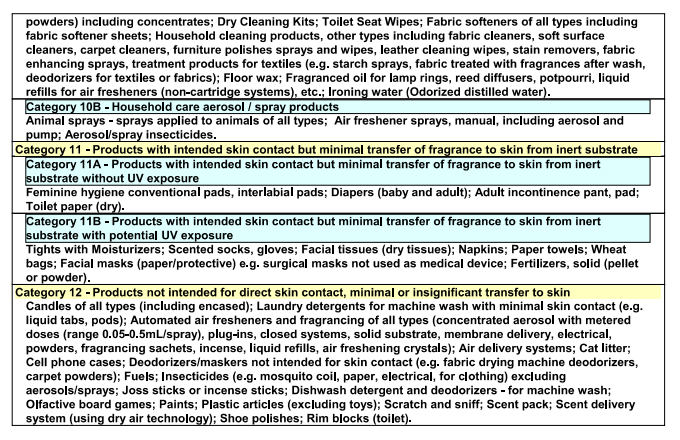
Here is an example of what that chart should look like from your supplier.

Photo from NaturalBulkSupplies.com
If you are making a face moisturizer you will look in category 5B, which this specific fragrance oil can be used up to 6.13% safely. (According to IFRA)
Keep in mind, just because you use the fragrance within the safe percentage, someone could still have a negative reaction due to the allergens in fragrance oils.
Take a look at the allergen chart. (Chart by BulkApothecary.com for Aloe fragrance oil)
As you can see this fragrance oil contains 6 different allergens. So somebody who is allergic to these allergens could still have a negative reaction to your product, even if you are following the IFRA regulations.

In most of the world, you legally need to list these allergens on your ingredient list if you are selling cosmetics. That means if we use 1% aloe fragrance oil in a face moisturizer, we need to add - “Benzyl Alcohol, Citral, Eugenol, Hydroxycitronellal, Coumarin, Linalool” to the end of your face moisturizers ingredient list. This will help advise anyone who may have an allergy to these allergens to avoid this specific product.
In 2022, The Modernization of Cosmetics Regulation Act of 2022 (MoCRA) was passed. You can read more about it in the links below.
One of the MoCRA rules were Disclosure of Fragrance Allergens in Cosmetic Labeling. Which as states, will require products to list specific allergens in the ingredient list on cosmetics sold in the US. But the US still has not created a list of allergens that are required for us to disclose.
According to SoapGuild.org “Currently, Canada, Europe, UK, India, New Zealand, and S. Korea have rules that require fragrance allergens to be are disclosed – and most of them use the same list of substances.” So it appears we should look at their allergen disclosure lists for guidances for allergens to list in our ingredient list.
Most suppliers will provide an allergen list for each of their fragrance oils. (See graph above) So as of now, the best thing I can suggest, is to list the allergens we currently can identify in our fragrance oils on our products ingredient list. That way you are prepared when the time comes.




Comments